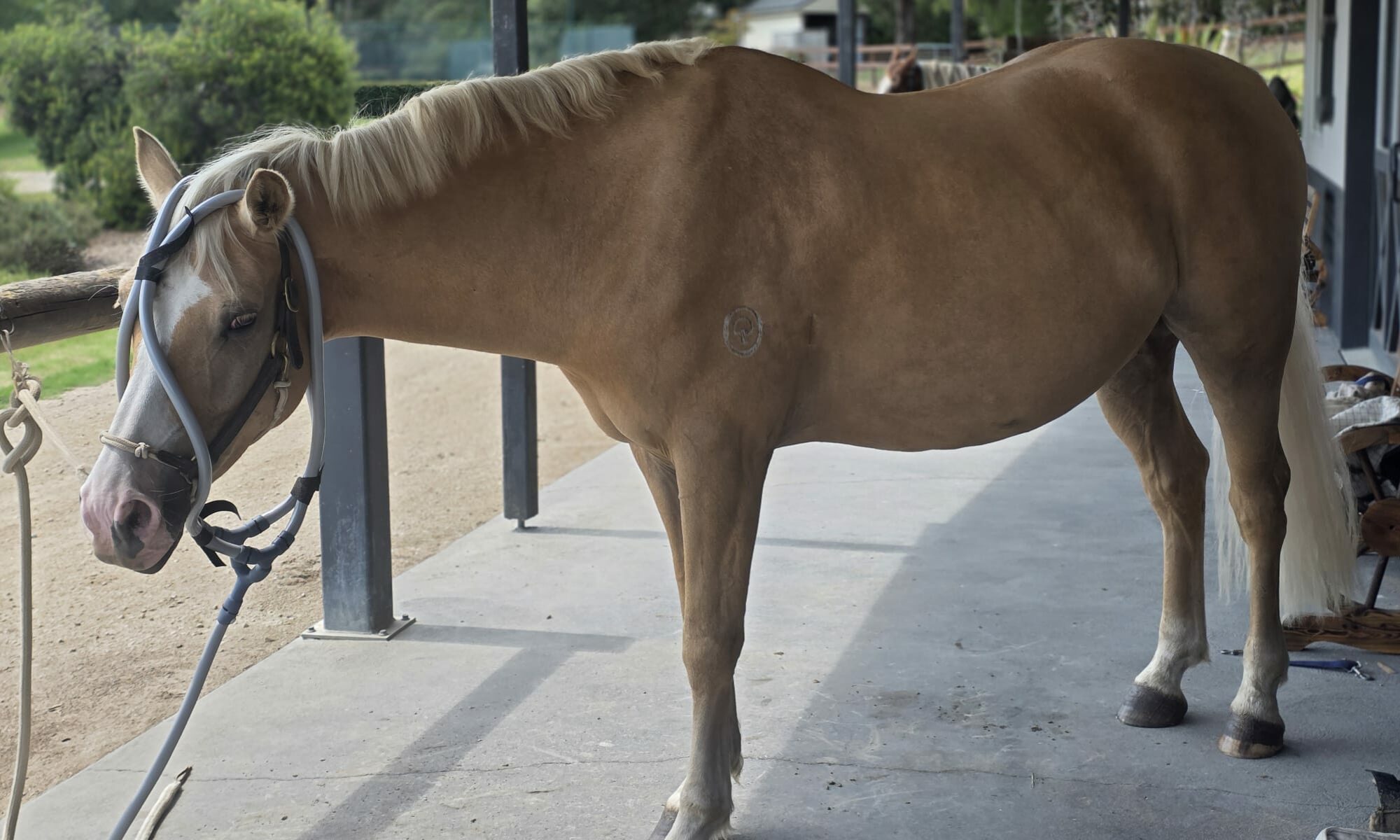

If you’ve ever walked into the paddock to find your horse suddenly refusing to put weight on one leg, it’s an alarming experience. Many owners immediately fear the worst—a broken bone, tendon injury, or serious accident. However, one of the most common causes of sudden, severe lameness in horses is something much smaller: a hoof abscess.
Despite often causing dramatic pain, most hoof abscesses have an excellent prognosis when diagnosed and managed appropriately. Understanding how abscesses develop, recognising the signs early, and knowing what to expect during recovery can help your horse return to comfort as quickly as possible.
At LMentz of Pulse, we often see horses recovering from hoof abscesses. While PEMF (Pulsed Electromagnetic Field) therapy does not replace veterinary or farrier treatment and cannot drain an abscess, it may be used as a complementary therapy to support comfort, circulation, and recovery once your veterinarian or farrier has assessed the horse.
What Is a Hoof Abscess?
A hoof abscess is a localised pocket of infection trapped within the hoof.
The horse’s hoof is incredibly strong and designed to protect the sensitive structures inside. While this strength is essential, it also means that when infection develops, there is very little room for swelling. As pressure builds inside the hoof, it compresses sensitive tissues and nerves, causing significant pain.
This is why a horse with a relatively small abscess can appear extremely lame.
Once the pressure is relieved and the infection drains, many horses show a dramatic improvement in comfort within a short period.
How Does a Hoof Abscess Develop?
An abscess usually develops when bacteria gain access to the sensitive structures inside the hoof.
This may occur through:
- Small cracks in the hoof wall
- Nail holes after shoeing
- White line disease
- Sole bruising
- Puncture wounds
- Seedy toe
- Poor hoof quality
- Laminitic hoof changes
Sometimes, no obvious entry point can be identified.
Wet conditions followed by prolonged dry weather can also weaken the hoof, making it more susceptible to cracks and bacterial invasion.
Why Does an Abscess Hurt So Much?
One of the most surprising things about hoof abscesses is how painful they can be.
Unlike swelling in soft tissue, where inflammation has room to expand, swelling inside the hoof capsule has nowhere to go.
As pressure increases, it compresses nerves and sensitive tissues, resulting in intense pain.
Owners are often shocked because the horse may appear perfectly normal one day and almost unable to bear weight the next.
Common Signs of a Hoof Abscess
Every horse is different, but common signs include:
- Sudden severe lameness
- Reluctance to bear weight on one limb
- Standing with the affected foot held forward
- Increased digital pulse
- Heat in the hoof
- Pain when hoof testers are applied
- Swelling around the pastern or lower limb
- Sensitivity when turning in circles
Some horses become so lame that owners suspect a fracture.
This is why prompt veterinary assessment is important.
Diagnosing a Hoof Abscess
Your veterinarian or farrier will usually begin with a thorough examination.
This may include:
- Watching the horse walk
- Feeling for increased heat
- Checking the digital pulse
- Using hoof testers to identify painful areas
- Cleaning the hoof thoroughly
If the diagnosis isn’t immediately clear, further investigations such as X-rays may be recommended to rule out fractures, pedal bone injuries, or penetrating wounds.
How Is a Hoof Abscess Treated?
Treatment aims to relieve pressure and allow the infection to drain.
Depending on the location of the abscess, your veterinarian or farrier may carefully open the tract to encourage drainage.
Once drainage occurs, many horses become noticeably more comfortable within 24 to 48 hours.
Treatment may include:
- Opening the abscess where appropriate
- Soaking the hoof if recommended
- Poulticing the foot
- Applying protective bandages
- Keeping the hoof clean and dry
- Pain relief if prescribed
- Tetanus protection where necessary
Not every abscess should be opened aggressively. In some cases, allowing the abscess to mature naturally is the safest option.
Always follow the advice of your veterinarian or farrier.
The Recovery Process
Although many horses improve quickly after drainage, recovery isn’t always immediate.
The tissues inside the hoof still need time to heal.
Some horses remain mildly sore for several days, especially if:
- The abscess was large
- The infection tracked extensively
- A significant amount of hoof was removed
- Bruising is present
During recovery, your veterinarian may recommend:
- Limited turnout
- Clean, dry footing
- Regular bandage changes
- Gradual return to exercise
Returning to work too soon may delay healing.
Can an Abscess Burst on Its Own?
Yes.
Some abscesses eventually find their own path to the surface.
They may drain:
- Through the sole
- Around the coronary band
- Along the heel bulbs
Owners often notice sudden discharge followed by a dramatic improvement in lameness.
Even if this occurs, your horse should still be examined to ensure the tract heals properly and no further complications develop.
Complications Can Occur
Most hoof abscesses resolve without long-term problems.
However, complications may include:
- Recurrent abscesses
- Deep hoof infection
- Infection involving the pedal bone
- Chronic drainage tracts
- Hoof wall defects
Repeated abscesses may indicate an underlying problem such as poor hoof balance, white line disease or chronic bruising.
Preventing Hoof Abscesses
While not every abscess can be prevented, good hoof care significantly reduces the risk.
Important steps include:
- Regular farrier visits
- Daily hoof cleaning
- Prompt treatment of cracks
- Managing muddy paddocks where possible
- Good nutrition to support hoof quality
- Monitoring for signs of bruising
- Addressing white line disease early
Healthy hooves are your horse’s foundation.
Where Does PEMF Therapy Fit?
PEMF therapy cannot remove infection or replace proper hoof treatment.
However, once your veterinarian has diagnosed the abscess and appropriate treatment has begun, PEMF may be included as part of your horse’s recovery plan.
Potential benefits may include:
- Supporting healthy circulation
- Encouraging normal cellular activity
- Helping muscles relax as the horse resumes normal weight-bearing
- Supporting comfort during recovery
- Assisting the body’s natural healing processes
Many horses compensate for severe hoof pain by placing unusual stress on their opposite limbs, shoulders, back and hindquarters.
Even after the abscess resolves, these compensatory muscle patterns can persist.
At LMentz of Pulse, we often assess the whole horse rather than focusing solely on the affected foot. By addressing muscle tension and areas that have worked harder during the period of lameness, we aim to support a smoother return to normal movement alongside veterinary care.
When Should You Call the Veterinarian?
Contact your veterinarian promptly if your horse:
- Becomes suddenly and severely lame
- Refuses to bear weight
- Has significant swelling
- Has a puncture wound to the hoof
- Develops a fever
- Does not improve after drainage
- Continues to have recurrent abscesses
Not every severe lameness is caused by an abscess, and prompt assessment helps rule out more serious conditions.
Final Thoughts
Hoof abscesses are one of the most common causes of sudden lameness in horses, and while they can be incredibly painful, they usually have an excellent outcome with prompt diagnosis and appropriate treatment.
Good hoof care, regular farrier visits, and early recognition of the signs can all help reduce the impact of an abscess and support a quicker recovery.
At LMentz of Pulse, we understand that recovery doesn’t stop once the abscess has drained. Horses often develop muscle tension and compensatory movement patterns while protecting a painful foot. Our gentle, non-invasive PEMF therapy may help support comfort, circulation, muscle relaxation, and the body’s natural healing processes as part of your horse’s overall rehabilitation plan, always working alongside your veterinarian and farrier to help your horse return to comfortable movement.