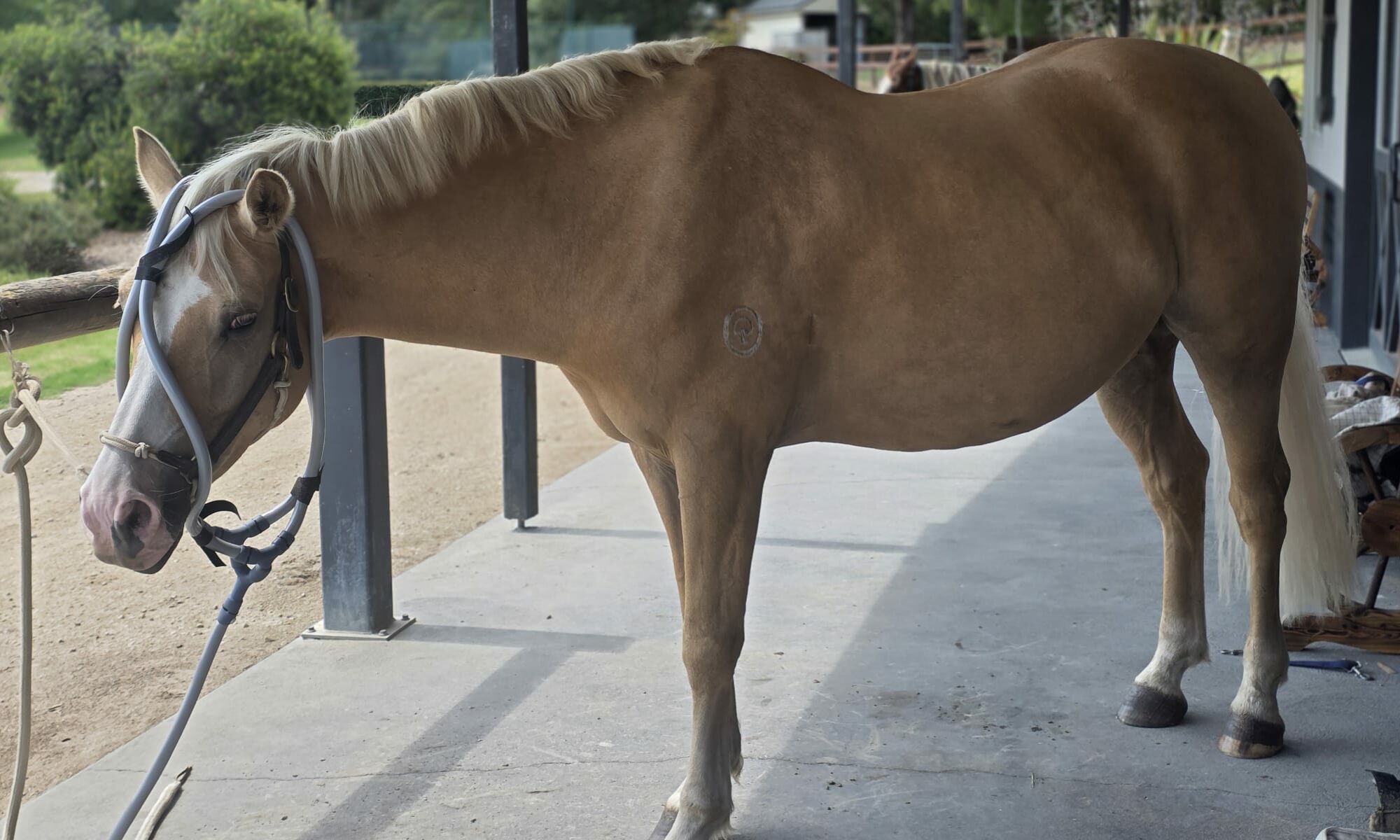

Shoulder injuries in horses can be frustrating for both owners and riders. Unlike cuts or swelling that are easy to see, injuries involving the shoulder are often hidden beneath large muscles, making them more difficult to recognise. A horse may simply seem “not quite right,” become reluctant to move forward, or develop an unexplained lameness.
Understanding how the shoulder works, the common causes of injury, and the importance of early diagnosis can help your horse recover safely and return to work with confidence.
At LMentz of Pulse, we regularly work with horses recovering from muscle strains, soft tissue injuries and lameness. While PEMF (Pulsed Electromagnetic Field) therapy is not a replacement for veterinary diagnosis or treatment, it can be used alongside a veterinary rehabilitation plan to support comfort, circulation and recovery.
Understanding the Equine Shoulder
Unlike humans, horses do not have a collarbone. Instead, the front limb is attached to the body by a network of muscles, tendons and connective tissue known as the muscular sling.
This unique design acts as a natural shock absorber, allowing the shoulder to absorb the enormous forces created during walking, trotting, cantering and jumping.
Because the shoulder relies heavily on muscles rather than bones, soft tissue injuries are more common than fractures.
Common Causes of Shoulder Injuries
Shoulder injuries can happen suddenly or develop gradually over time.
Common causes include:
- Slipping in the paddock or arena
- Falls
- Kicks from another horse
- Jumping accidents
- Overuse during training
- Poor conditioning
- Compensation from another injury
- Awkward movements while playing or working
Sometimes the shoulder itself isn’t the original problem. Horses often compensate for pain elsewhere in the body, placing extra strain on the shoulder muscles.
Signs Your Horse May Have a Shoulder Injury
Not every horse will show obvious lameness.
Some common signs include:
- Shortened stride in one front leg
- Difficulty extending the leg forward
- Toe dragging
- Reluctance to move downhill
- Poor performance
- Stiffness when first moving
- Resistance under saddle
- Muscle soreness around the shoulder
- Swelling or heat (in some cases)
Because these signs can also occur with hoof, tendon or joint problems, it’s important to have your horse examined by a veterinarian.
Diagnosing the Problem
Your veterinarian will usually perform a thorough lameness examination before deciding whether the shoulder is the source of the problem.
Depending on the findings, they may recommend:
- A physical examination
- Flexion tests
- Ultrasound
- X-rays
- Diagnostic nerve blocks
- Advanced imaging if required
Accurate diagnosis is essential because treatment will vary depending on the type of injury.
Treatment and Recovery
Treatment depends on the severity of the injury.
It may include:
- Rest
- Anti-inflammatory medication
- Controlled exercise
- Physiotherapy
- Massage
- Stretching exercises
- A gradual return-to-work program
While it can be tempting to return a horse to full work once they appear sound, soft tissue injuries often take longer to heal than the lameness suggests. Returning to exercise too quickly can increase the risk of re-injury.
How PEMF Therapy May Help
PEMF therapy does not repair torn muscles or replace veterinary treatment, but it may play a supportive role during rehabilitation.
Potential benefits include:
- Supporting healthy circulation
- Encouraging normal cellular function
- Helping reduce muscle tension
- Supporting comfort
- Assisting the body’s natural healing processes
Because shoulder injuries often lead to compensation throughout the neck, back and opposite forelimb, treating the whole horse is often just as important as focusing on the injured area.
At LMentz of Pulse, each session is tailored to the individual horse and their stage of recovery. We work alongside your veterinarian to provide complementary support throughout rehabilitation.
Preventing Shoulder Injuries
While accidents can’t always be avoided, you can help reduce the risk by:
- Maintaining good overall fitness
- Warming up before exercise
- Increasing workloads gradually
- Ensuring regular saddle fit checks
- Addressing minor lameness early
- Providing appropriate footing during training
Strong, balanced muscles help support healthy movement and reduce the likelihood of injury.
Frequently Asked Questions
Can horses recover from shoulder injuries?
Yes. Many horses recover well with prompt diagnosis, appropriate treatment and a carefully managed rehabilitation program.
Can I ride my horse if I think they have a shoulder injury?
No. If your horse shows signs of lameness or shoulder pain, stop riding and seek veterinary advice. Continuing to work an injured horse may worsen the damage.
How long does recovery take?
Recovery varies depending on the injury. Mild muscle strains may improve within weeks, while more significant soft tissue injuries can require several months of rehabilitation.
Can PEMF replace veterinary treatment?
No. PEMF is a complementary therapy and should always be used alongside veterinary diagnosis and treatment, not as a replacement.
Final Thoughts
Shoulder injuries can be challenging because they are often difficult to identify and may mimic other causes of lameness. Early veterinary assessment is the key to determining the underlying problem and creating an appropriate treatment plan.
With patience, careful rehabilitation and ongoing support, many horses return to comfortable movement and their previous level of work.
At LMentz of Pulse, we are passionate about supporting horses through every stage of recovery. Our gentle, non-invasive PEMF therapy may help promote comfort, muscle relaxation and healthy circulation as part of a veterinary-guided rehabilitation program, giving your horse the best possible support on their journey back to soundness.